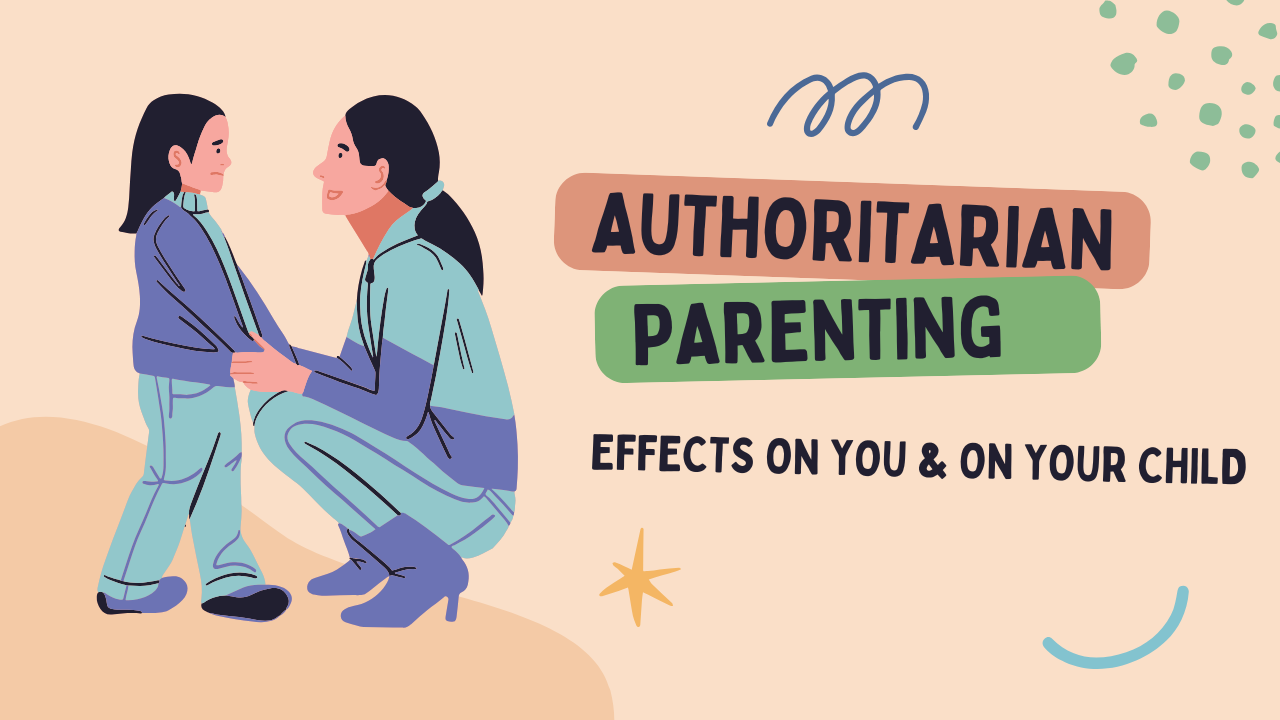
Parenting styles play a huge role in shaping a child’s personality, behavior, and future. One such style, authoritarian parenting, is characterized by strict rules, high expectations, and little room for flexibility. While this approach may seem effective in maintaining discipline, it often comes at a cost. In this article, we’ll explore what authoritarian parenting is, its effects on children, and how parents can adopt a healthier approach to raising their kids.
What Is Authoritarian Parenting?
Authoritarian parenting is a strict, controlling style where parents set rigid rules and expect their children to follow them without question. In this type of family dynamic, the parent is the ultimate authority, and the child’s opinions or feelings are often ignored. Here are some key characteristics of authoritarian parents:
- No Room for Negotiation: Authoritarian parents believe they know what’s best for their child and don’t allow the child to have a say in decisions.
- Punishment Over Understanding: Mistakes or rule-breaking are met with punishment rather than constructive guidance.
- Emotional Distance: These parents often ignore their child’s emotional needs, making it hard for the child to form deep bonds of trust and care.
- High Expectations: Authoritarian parents have high expectations from their children but only seldom praise or appreciate their children for what they do.
Authoritarian Parenting Effects on Children:
The obedient children that authoritarian parenting produces may be short-term, but the depression, anxiety, low self-esteem, poor performance in academics, and emotional problems may become a long-term affair. Let’s break down these effects:
Psychological Effects:
- Low Self-Esteem: Children brought up by authoritarian parents tend to develop inferiority feelings and low self-esteem. They may feel that they are never good enough.
- Fear of Expectations: These children may grow up believing that affection or kindness comes with strings attached. They might constantly feel that people expect something in return.
- Lack of Self-Awareness: This leads to little or no self-awareness. Children have a hard time knowing what is needed or what they want or feel. They have a hard time knowing what they really want out of life.
Emotional Impact:
- Bottled-Up Emotions: It can bottle up emotions. Children living in authoritarian homes often learn to bottle up their feelings. They can be in denial, concealing their feelings so as not to offend or disappoint.
- Chronic Stress: Continuous pressure to not make mistakes, and be perfect can cause a child to experience anxiety and stress. Such children may live in constant fear of committing mistakes or disappointing their parents.
Social Impacts:
- Failed Relationship Building: Authoritarian parenting fails to create the ability for the child to develop strong friendship bonds or intimate relationships. Trust and communication problems can be the results.
- Risk of Negative Behaviors: In some cases, children raised in strict environments may turn to drug abuse or engage in juvenile crimes as a way to rebel or cope with their emotions.
How Authoritarian Parenting Affects Parents:
While the focus is often on the child, authoritarian parenting can also take a toll on the parent. Here’s how:
- Strained Relations: There may be less emotional connectedness between parents and children by virtue of the lack of trust in the former.
- Guilt and Remorse: Eventually, parents may feel guilt over the manner in which they raised their children and come to understand that their approach was wrong.
- Missed Opportunities: Parents may miss the opportunity to develop a loving, supportive relationship with their child, confined as they are to rules and discipline.
Guidelines for Termination of Authoritarian Parenting:
If you feel you have authoritarian tendencies, know that it’s never too late to change. Here are some tips to help you smooth the transition to a healthier, more balanced approach:
- Take It Slow: Don’t switch overnight from strict to indulgent. Gradual changes will help your child adjust without feeling confused or distrustful.
- Practice Patience: When your child makes a mistake, take a deep breath and respond calmly. If you feel angry, step away and revisit the situation later.
- Listen to Your Child: Encourage open communication. Let your child express their thoughts and feelings without fear of judgment or punishment.
- Teach, Don’t Punish: Instead of punishing mistakes, use them as teaching moments. Show your child how to avoid similar errors in the future.
- Balance Firmness and Friendliness: You can establish boundaries without losing the warmth and support. Be balanced between being disciplined and understanding.
Benefits of Balanced Parenting Style:
Leaving the Authoritarian Parenting can be really beneficial for you and your child. A balanced approach that integrates structure with empathy can:
- Increase trust and bonding between you and your child
- Help build the self-esteem and confidence of your child.
- Open up communication and allow emotional expression.
- Help your child develop healthy relationships and coping skills.
- Create a happier, more harmonious family environment.
Conclusion:
Authoritarian parenting may be effective in the short term for maintaining control over a child. However, in the long run, it takes a toll on the child’s emotional and psychological well-being. Understanding the bad effects of such parenting and being conscious of changes can help bring about a nurturing and supportive environment for your child. Remember, parenting isn’t about sitting on the iron throne, it is guiding, teaching, and loving your child towards a way in which he would be able to become a very confident, wholesome person.
FAQs:
1. What is authoritarian parenting?
Authoritarian parenting is a strict style where parents enforce rigid rules and expect obedience without question.
2. How does authoritarian parenting affect children?
It can lead to low self-esteem, emotional suppression, chronic stress, and difficulty forming relationships.
3. Can authoritarian parenting cause long-term damage?
Yes, it can negatively impact a child’s emotional, social, and psychological development.
4. How can I change my authoritarian parenting style?
Start by listening to your child, being patient, and balancing firmness with friendliness.
5. What are the signs of authoritarian parenting?
High expectations, strict rules, punishment for mistakes, and lack of emotional connection.
6. What is a better alternative to authoritarian parenting?
A balanced approach that combines structure with empathy and open communication.